

Construction Technology · Proptech
How to Handle a Permit Delay Without Resetting the Schedule
When a permit date slips, the schedule should not get rewritten from top to bottom. That kind of full reset creates confusion in the field, slows decisions, and turns one delay into a larger one....
When a permit date slips, the schedule should not get rewritten from top to bottom. That kind of full reset creates confusion in the field, slows decisions, and turns one delay into a larger one.
At OnlyPermitwe take a more practical approach: keep the job moving where it can move, hold what truly must wait, and make the next action clear to everyone involved. Construction managers, contractors, and developers do not need a new schedule for everything. They need a clean way to separate what is ready, what is conditional, and what is blocked.
Use one simple rule for the next two weeks
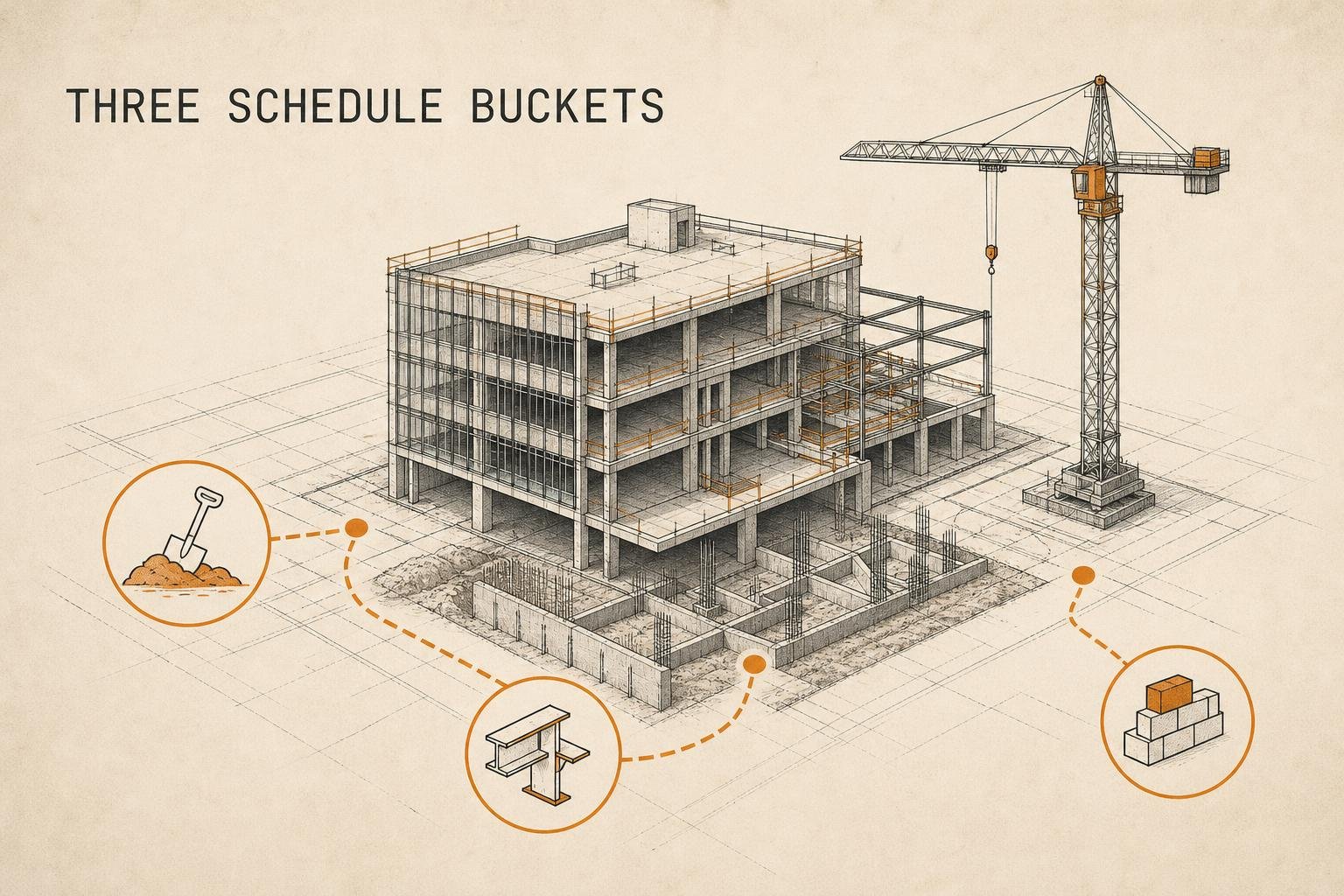
When a permit issue hits, split the next two weeks into three buckets: what can start now, what can start with partial approval, and what must wait. That simple filter keeps the team focused on reality instead of assumptions.
It also helps the field understand which crews are still moving, which inspections are still valid, and which material orders are actually tied to the permit delay. Without that clarity, teams start guessing. Guessing is where time gets lost.
The point is not to overcomplicate the response. The point is to keep the project organized enough to absorb the delay without creating a second problem.
Assign one owner for daily follow-up
Permit delays need one person to own the daily follow-up. Not a group chat. Not a shared hope that someone will check in later. One owner should track comments, resubmittals, and the next action by 3 p.m. each day.
That person becomes the single source of truth for the permit issue. Everyone else can stay focused on execution instead of chasing updates from multiple directions. In practice, this reduces noise and keeps the response moving.
When there is no clear owner, the delay spreads. Questions get repeated, comments go unanswered, and the team loses the thread on what changed and what still needs action. A simple daily process prevents that drift.
Update only the dates that changed
After the buckets are set and the follow-up owner is assigned, the schedule should be updated with restraint. Only the dates that changed should move. If foundation can still go, keep it on the calendar. If framing has to move, say that clearly.
That approach protects the rest of the job from unnecessary disruption. It also gives the field better direction. Crews need to know what is still active, what is paused, and what has shifted. They do not need a full reset just because one permit milestone slipped.
This is where strong project control matters. A permit delay should trigger a targeted response, not a complete rewrite. The more precise the update, the less time the team spends recovering from avoidable confusion.
Keep the project moving without the chaos
The fastest way to lose time is to turn one permit slip into a full schedule reset. A better response is simple: sort the next two weeks into clear buckets, assign one owner to drive the follow-up, and update only the dates that actually changed.
That is how we keep work moving while the permit issue is being resolved. It is also how we protect crews, inspections, and material planning from unnecessary disruption.
For teams that want a more organized way to manage permit-related delays, our permit support process is built around clarity, follow-through, and fewer surprises in the field.
What gets updated first on your team?

